Are all the articifial sweeteners safe?
Artificial sweeteners are low-calorie or calorie-free chemical substances that are used instead of sugar to sweeten foods and drinks.
They are found in thousands of products, from drinks, desserts and ready meals, to cakes, chewing gum and toothpaste.
Find out what the NHS evidence says on the safety of some of the most common sweeteners approved for use in the UK:
Both Cancer Research UK and the US National Cancer Institute have said sweeteners don't cause cancer.
"Large studies looking at people have now provided strong evidence that artificial sweeteners are safe for humans," states Cancer Research UK.
All sweeteners available for use in the EU must first undergo a very rigorous safety assessment. This is conducted by the European Food Safety Authority (EFSA), before they are alloowed to be used in any food and drink for human use.
As part of that trial and evaluation process, the EFSA sets a series of quantities called Acceptable Daily Intake (ADI). This is a maximum amount which tests have proved is safe to consume each day over the course of an average lifetime.
It's not necessary to keep track of how much of any particular sweetener products are being consumed each day, as everyone's eating habits are taken into consideration when specifying where the particular sweetener products can be used.
Are sweeteners healthy?
Sweeteners may be pronounced safe, but the question you need to ask is "are they healthy?" Food manufacturers claim sweeteners help prevent tooth decay, control blood sugar levels and reduce our calorie intake.
The EFSA has approved the health claims made about xylitol, sorbitol and sucralose, and many others, in relation to oral health and controlling blood sugar levels.
"Research into sweeteners shows they are perfectly safe to eat or drink on a daily basis as part of a healthy diet," says dietitian Emma Carder. She also says the products can be a useful alternative for people with diabetes who need to watch their blood sugar levels while still enjoying their favourite foods.
"Like sugar, most sweeteners provide a sweet taste but their biggest advantage and main difference is that, after consumption, they don't increase blood sugar levels," she says.
It has been suggested that the use of artificial sweeteners may have a stimulating effect on appetite and, therefore, may play a role in weight gain and obesity. Research into sweeteners however says otherwise. There is little evidence from longer-term studies to show that sweeteners lead to increased energy intake or are likely to contribute to the risk of obesity.
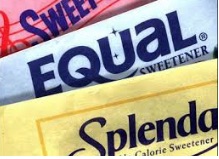
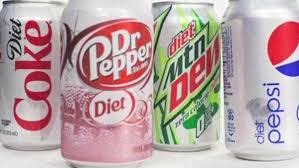
Soft drinks are known by many names, sodas, pop, fizzy drinks and so on. Many proprietary names are also used such as Coke, which has become almost a generic term for cola flavoured drinks, though it is in fact a trade resigstered name in every country in the world for Coca Cola.
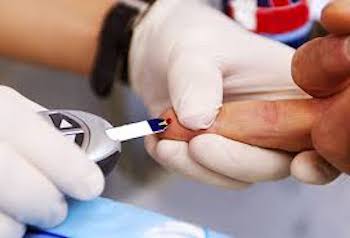
Those with a diabetes problem generally tend to use soft drinks made with artificial sweeteners as the sugar will otherwise upset their blood glucose levels. (You can obtain more details on Blood Glucase Levels on this page, written by the the global diabetes community).
Someone with diabetes who needs to avoid low blood sugar levels developing, as a result of their insulin medication, should be aware that most 'diet' flavoured soft drinks have a very low, or zero, sugar level and won't raise blood sugar levels.
You should always check the carbohydrate value on the drink if you are not sure or are trying a new brand of soft drink.
Medical Studies
There have been many medical studies of the effects of artifial sweeteners in soft drink, but many of these strudies are inconclusive. The results of such mixed findings. Diet soda may not be a healthy substitute for sugary soda.
For adults trying to wean themselves from sugary soda, diet soda is a possible short-term substitute, best used in small amounts over a short period of time.
For children, the long-term effects of consuming artificially-sweetened beverages are unknown, so it’s best for kids to avoid them.
There is conflicting research surrounding the health benefits of artificially sweetened drinks. Long-term studies show that regular consumption of artificially sweetened beverages reduces the intake of calories and promotes weight loss or maintenance, but other research shows no effect, and some studies even show weight gain. (55)
A 2013 study showed that both sugar-sweetened beverages and artificially sweetened beverages were linked with an increased risk of developing Type 2 Diabetes, however, more research is needed to prove any link is directly causal.
One study of over 3,500 subjects looked at the long-term effect of drinking artificially sweetened drinks on weight. The participants in the study were tracked for 7-8seven to eight years during which period their body weights were recorded. The study showed that those who drank artificially sweetened drinks had an almost fifty percent higher increase in BMI than those who did not use drinks with articial sweeteners.
How much sweeter than sugar?
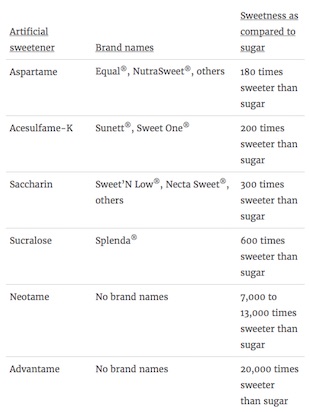
This table contains some calculations carried out by the American FDA into the relevant sweet taste of the artificial sweeteners, compared to the taste of sugar. It gives you some idea of how sweet some of the key products are compared to ordinary refined granulated sugar.
Artificial Sweeteners
Artificial Sweeteners
Medical Studies
There have been many medical studies of the effects of artifial sweeteners in soft drink, but many of these studies are inconclusive. The results of such mixed findings. Diet soda may not be a healthy substitute for sugary soda.
For adults trying to wean themselves from sugary soda, diet soda is a possible short-term substitute, best used in small amounts over a short period of time.
For children, the long-term effects of consuming artificially-sweetened beverages are unknown, so it’s best for kids to avoid them.
There is conflicting research surrounding the health benefits of artificially sweetened drinks. Long-term studies show that regular consumption of artificially sweetened beverages reduces the intake of calories and promotes weight loss or maintenance, but other research shows no effect, and some studies even show weight gain.
A 2013 study showed that both sugar-sweetened beverages and artificially sweetened beverages were linked with an increased risk of developing Type 2 Diabetes, however, more research is needed to prove a causal link.
One study of over 3,500 subjects looked at the long-term effect of drinking artificially sweetened drinks on weight. The participants in the study were tracked for seven to eight years during which period their body weights were recorded. The study showed that those who drank artificially sweetened drinks had an almost fifty percent higher increase in BMI than those who did not use drinks with articial sweeteners.
Diets That
W
ork
Diets That
W
ork

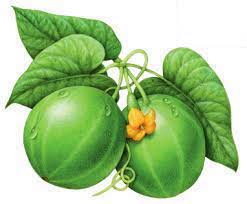
Swanson's Lo Han Sweetener is a concentrated extract that is obtained from a traditional Chinese fruit. It's also grown in other countries where its more commonly known as Monk Fruit. It's now been refined and marketed in the west as an ideal way to sweeten drinks. It has no bitterness, like some other sweeteners, and is extremely low in calorific content.
It reportedly has zero, or virtually no calories.That makes Lo Han the perfect ingredient for coffee and tea and it is now also being used by cooks for baking.
Lo Han tastes around two hundred times sweeter than sugar, so you don't need very much of it (see other relative taste values of other sweeteners below).
The natural sweetness of the Swanson product has been tempered a little by blending it with natural inulin (an oligosaccharide that is digested by bacteria in the gut and converted into short chain triglycerides which help make T-cells). Lo Han is ready to use in the kitchen or on the coffee table. It is the main ingredient of a popular sweetener called In The Raw.
Swanson Lo Han
(Monk Fruit)
NOTES ON
MONK FRUIT
Monk Fruit is termed a 'novel fruit' as at the time of EU testing such products (1997), its use in Europe was deemed insignificant, so it never obtained any certification. It is now widely on sale and is considered safe in the USA where Monk Fruit has GRAS status. It is also widely used in Germany.

Which sweetener is really the best is a question asked by many calorie counting, health conscious shoppers. Like us you have probably been through a wide range of sweeteners and want to know what's best, which is why you are on this web page!
The 'best' sweetener depends on so many different factors:
You may want a low glycemic index, one that doesn't upset your digestive system? Perhaps you have to consider high blood pressure?
This book looks at the scientific aspects of various sweeteners, their composition and what effects it has on our bodies and metabolism.
This book outlines all the pro's and con's of using sucrose, brown sugar, turbinado, molasses, fructose, glucose, lactose, isomaltulose, corn syrup, high fructose corn syrup (HFCS), honey, agave nectar, sorbitol, isomalt, lactitol, maltitol, mannitol, xylitol, inulin, fructooligosaccharides, tagatos, erythritol, glycerol, acesulfame, aspartame, and many more ingredients.
The Sweetener Book
by Dr Eric Walters PhD
A 2013 study showed that both sugar-sweetened beverages and artificially sweetened beverages were linked with an increased risk of developing Type 2 Diabetes, however, more research is needed to prove any link is directly causal.
One study of over 3,500 subjects looked at the long-term effect of drinking artificially sweetened drinks on weight. The participants in the study were tracked for seven to eight years during which period their body weights were recorded. The study showed that those who drank artificially sweetened drinks had an almost fifty percent higher increase in BMI than those who did not use drinks with articial sweeteners.
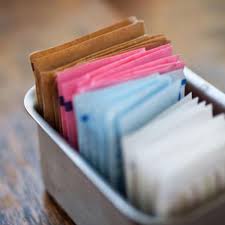
Which sweetener is really the best is a question asked by many calorie counting, health conscious shoppers. Like us you have probably been through a wide range of sweeteners and want to know what's best, which is why you are on this web page!
The 'best' sweetener depends on so many different factors:
You may want a low glycemic index, one that doesn't upset your digestive system? Perhaps you have to consider high blood pressure?
This book looks at the scientific aspects of various sweeteners, their composition and what effects it has on our bodies and metabolism.
This book outlines all the pro's and con's of using sucrose, brown sugar, turbinado, molasses, fructose, glucose, lactose, isomaltulose, corn syrup, high fructose corn syrup (HFCS), honey, agave nectar, sorbitol, isomalt, lactitol, maltitol, mannitol, xylitol, inulin, fructooligosaccharides, tagatos, erythritol, glycerol, acesulfame, aspartame, and many more ingredients.
Are all the artificial sweeteners safe?
Artificial sweeteners are low-calorie or calorie-free chemical substances used instead of sugar to sweeten foods and drinks.
They are found in thousands of products, from drinks, desserts and ready meals, to cakes, chewing gum and toothpaste.
Find out what the NHS evidence says on the safety of some of the most common sweeteners approved for use in the UK:
Both Cancer Research UK and the US National Cancer Institute have said sweeteners don't cause cancer.
"Large studies looking at people have now provided strong evidence that artificial sweeteners are safe for humans," says Cancer Research UK.
All sweeteners available for use in the EU must first undergo a very rigorous safety assessment. This is conducted by the European Food Safety Authority (EFSA), before they are allowed to be used in any food and drink for human use.
As part of that trial and evaluation process, the EFSA sets a series of quantities called Acceptable Daily Intake (ADI). This is a maximum amount which tests have proved is safe to consume each day over the course of an average lifetime.
It's not necessary to keep track of how much of any particular sweetener products are being consumed each day, as everyone's eating habits are taken into consideration when specifying where the particular sweetener products can be used.
Are sweeteners healthy?
Sweeteners may be pronounced safe, but the question you need to ask is "are they healthy?" Food manufacturers claim sweeteners help prevent tooth decay, control blood sugar levels and reduce our calorie intake.
The EFSA has approved the health claims made about xylitol, sorbitol and sucralose, and many others, in relation to oral health and controlling blood sugar levels.
"Research into sweeteners shows they are perfectly safe to eat or drink on a daily basis as part of a healthy diet," says dietitian Emma Carder. She also says the products can be a useful alternative for people with diabetes who need to watch their blood sugar levels while still enjoying their favourite foods.
"Like sugar, most sweeteners provide a sweet taste but their biggest advantage and main difference is that, after consumption, they don't increase blood sugar levels," she says.
It has been suggested that the use of artificial sweeteners may have a stimulating effect on appetite and, therefore, may play a role in weight gain and obesity. Research into sweeteners however says otherwise.
There is little evidence from longer-term studies to show that sweeteners lead to increased energy intake or are likely to contribute to the risk of obesity.
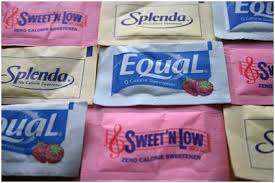
Silver Spoon
Great value. 0 calories per tablet. Suitable for vegetarians. Click it, drink it, taste it.. enjoy it! Every tablet of Silver Spoon sweetener has a delicious sweet taste with no calories.
Made by British Sugar plc Peterborough,
by Royal Appointment to HM The Queen.
£12.99 for 2 x 400 tablets
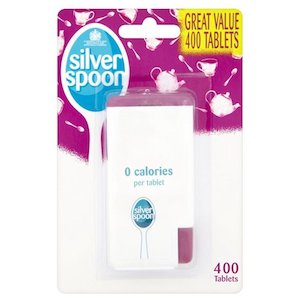

Truvia
Calorie-free sweetener tablets are made using extract of the stevia leaf. The leaves are steeped in water, similar to making tea. This unlocks the best tasting part of the leaf, which is purified to provide a calorie-free sweet taste.
.A calorie-free sweet taste - it is perfect for sprinkling on fruits, yoghurt and cereals.
£7.40 for 2 x 180 servings
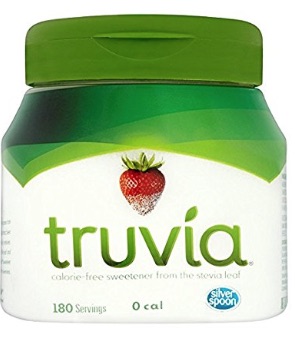
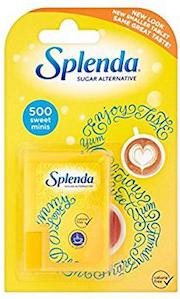
Splenda®
Low Calorie Sugar Alternative Made from sugar* Tastes like sugar But it's not sugar All the sweetness of sugar without the calories! Each Splenda® Sweet Mini has the same satisfying sweetness as a teaspoon of sugar (5g), without all the calories. Savour your favourite cup of tea of coffee, anytime -.
£8.99 for 500 tablets
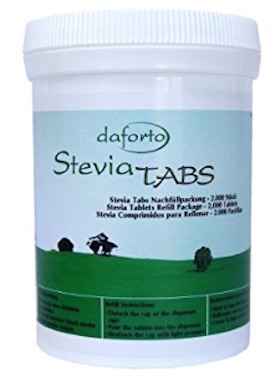
Daforto Stevia
Tablets Refill Package,
Dafort Stevia always tastes great with coffee, tea and other hot drinks. It is ideal for diabetics.
It is a wholly natural Sweetener, and comes in the form of small dissolvable tablets.
£21.50 for 2000 tablets.
Canderel
These dissolve easily in your tea and coffee giving a delicious sweet taste and with zero added calories.
The small dispenser easily fits into a pocket or a handbag. Large dispensers are available for home or office use to keep up with a healthy lifestyle and weight loss diets.
£12 for 12 packs of 105
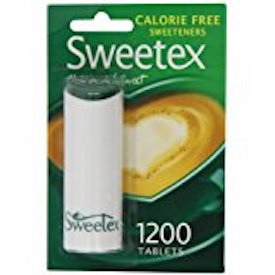
Sweetex
the brand leader of sweeteners for many years and the most opften seen. This giant dispenser has 1200 tablets and so should last a long time.
Sweetex is suitable for diabetics and each tablet has zero calories.
£3.50 for 1200 tablets
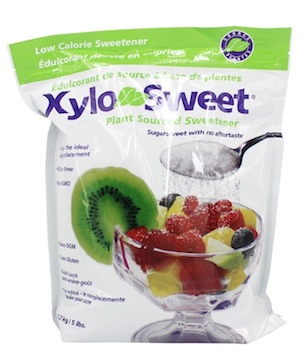
Xylitol
A sugar alcohol occurring naturally in a variety of fruit and vegetables. Its used as a natural sugar-free sweetener and many nutritionists agree that it is a more natural and healthy alternative to sugar and other synthetic sweeteners.
An alternative to sugar in their diet and wanting to sweeten their food, beverages or supplements. Its also recommended by dentists as it helps reduce dental caries and tooth decay
£20 for a 5 lb bag

Swanson's Lo Han Sweetener is a concentrated extract that is obtained from a traditional Chinese fruit. It's also grown in other countries where its more commonly known as Monk Fruit. It's now been refined and marketed in the west as an ideal way to sweeten drinks. It has no bitterness, like some other sweeteners, and is extremely low in calorific content.
It reportedly has zero, or virtually no calories.That makes Lo Han the perfect ingredient for coffee and tea and it is now also being used by cooks for baking. Lo Han tastes around two hundred times sweeter than sugar, so you don't need very much of it (see other relative taste values of other sweeteners below).
The natural sweetness of the Swanson product has been tempered a little by blending it with natural inulin (an oligosaccharide that is digested by bacteria in the gut and converted into short chain triglycerides which help make T-cells). Lo Han is ready to use in the kitchen or on the coffee table. It is the main ingredient of a popular sweetener called In The Raw. Swanson Lo Han can be obtained via Amazon, for around £13 a pot.
As part of that trial and evaluation process, the EFSA sets a series of quantities called Acceptable Daily Intake (ADI). This is a maximum amount which tests have proved is safe to consume each day over the course of an average lifetime.
It's not necessary to keep track of how much of any particular sweetener products are being consumed each day, as everyone's eating habits are taken into consideration when specifying where the particular sweetener products can be used.
Are sweeteners healthy?
Sweeteners may be pronounced safe, but the question you need to ask is "are they healthy?" Food manufacturers claim sweeteners help prevent tooth decay, control blood sugar levels and reduce our calorie intake.
The EFSA has approved the health claims made about xylitol, sorbitol and sucralose, and many others, in relation to oral health and controlling blood sugar levels.
"Research into sweeteners shows they are perfectly safe to eat or drink on a daily basis as part of a healthy diet," says dietitian Emma Carder. She also says the products can be a useful alternative for people with diabetes who need to watch their blood sugar levels while still enjoying their favourite foods.
"Like sugar, most sweeteners provide a sweet taste but their biggest advantage and main difference is that, after consumption, they don't increase blood sugar levels," she says.
It has been suggested that the use of artificial sweeteners may have a stimulating effect on appetite and, therefore, may play a role in weight gain and obesity. Research into sweeteners however says otherwise. There is little evidence from longer-term studies to show that sweeteners lead to increased energy intake or are likely to contribute to the risk of obesity.
Which sweetener is really the best is a question asked by many calorie counting, health conscious shoppers. Like us you have probably been through a wide range of sweeteners and want to know what's best, which is why you are on this web page!
The 'best' sweetener depends on so many different factors:
You may want a low glycemic index, one that doesn't upset your digestive system? Perhaps you have to consider high blood pressure?
This book looks at the scientific aspects of various sweeteners, their composition and what effects it has on our bodies and metabolism.
This book outlines all the pro's and con's of using sucrose, brown sugar, turbinado, molasses, fructose, glucose, lactose, isomaltulose, corn syrup, high fructose corn syrup (HFCS), honey, agave nectar, sorbitol, isomalt, lactitol, maltitol, mannitol, xylitol, inulin, fructooligosaccharides, tagatos, erythritol, glycerol, acesulfame, aspartame, and many more ingredients.
Are artificial sweeteners safe?
Artificial sweeteners are low-calorie or calorie-free chemical substances used instead of sugar to sweeten foods and drinks.
They are found in thousands of products, from drinks, desserts and ready meals, to cakes, chewing gum and toothpaste.
Find out what the NHS evidence says on the safety of some of the most common sweeteners approved for use in the UK:
Both Cancer Research UK and the US National Cancer Institute have said sweeteners don't cause cancer.
"Large studies looking at people have now provided strong evidence that artificial sweeteners are safe for humans," states Cancer Research UK.
All sweeteners available for use in the EU must first undergo a very rigorous safety assessment. This is conducted by the European Food Safety Authority (EFSA), before they are allowed to be used in any food and drink for human use.
The Sweetener Book
by Dr Eric Walters PhD
Natural Sugars v Sweeteners
Sweeteners versus sugars, its a long-running battle. Anyone who cares for their body should know all the facts about sweeteners.
Why do we do it?
Why do we crave sweet ingredients?
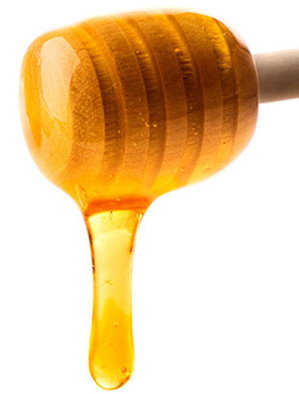
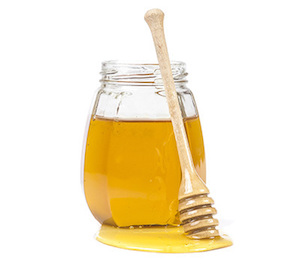
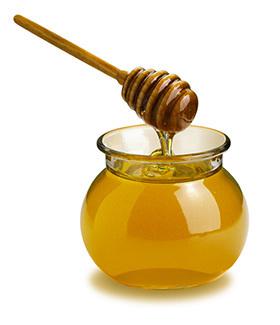
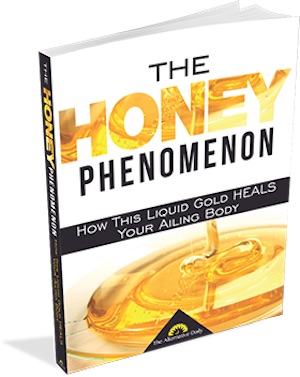
Have you considered another natural sweetener? HONEY. It's the one ingredient that is good for us and that can help with many other things too, including the list on the left:
Honey really is a most remarkable substance. Among Honey's biggest advantages is that it "doesn't go bad". Archaeologists found unspoiled, 2000-year-old honey in an Egyptian tomb only recently, still good enough to eat.

Reverse aging
Skin infections
Wounds
Indigestion
Fatigue
Influenza
Coughs
Burns

Are all the artificial sweeteners safe?
Artificial sweeteners are low-calorie or calorie-free chemical substances used instead of sugar to sweeten foods and drinks. They are found in thousands of products, from drinks, desserts and ready meals, to cakes, chewing gum and toothpaste.
Find out what the NHS evidence says on the safety of some of the most common sweeteners approved for use in the UK:
Both Cancer Research UK and the US National Cancer Institute have said sweeteners don't cause cancer.
"Large studies looking at people have now provided strong evidence that artificial sweeteners are safe for humans," says Cancer Research UK.
All sweeteners available for use in the EU must first undergo a very rigorous safety assessment. This is conducted by the European Food Safety Authority (EFSA), before they are allowed to be used in any food and drink for human use.
Are sweeteners healthy?
Sweeteners may be pronounced safe, but the question you need to ask is "are they healthy?" Food manufacturers claim sweeteners help prevent tooth decay, control blood sugar levels and reduce our calorie intake.
"Research into sweeteners shows they are perfectly safe to eat or drink on a daily basis as part of a healthy diet," says dietitian Emma Carder. She also says the products can be a useful alternative for people with diabetes who need to watch their blood sugar levels while still enjoying their favourite foods.
"Like sugar, most sweeteners provide a sweet taste but their biggest advantage and main difference is that, after consumption, they don't increase blood sugar levels," she says.
It has been suggested that the use of artificial sweeteners may have a stimulating effect on appetite and, therefore, may play a role in weight gain and obesity. Research into sweeteners however says otherwise.
There is little evidence from longer-term studies to show that sweeteners lead to increased energy intake or are likely to contribute to the risk of obesity.
Natural Sugars v Sweeteners
Sweeteners versus sugars, its a long-running battle. Anyone who cares for their body should know all the facts about sweeteners.
Why do we do it?
Why do we crave sweet ingredients?
Have you considered another natural sweetener? HONEY. It's the one ingredient that is good for us and that can help with many other things too, including the list on the left:
Honey really is a most remarkable substance. Among Honey's biggest advantages is that it "doesn't go bad". Archaeologists found unspoiled, 2000-year-old honey in an Egyptian tomb only recently, still good enough to eat.
Swanson's Lo Han Sweetener is a concentrated extract that is obtained from a traditional Chinese fruit. It's also grown in other countries where its more commonly known as Monk Fruit. It's now been refined and marketed in the west as an ideal way to sweeten drinks. It has no bitterness, like some other sweeteners, and is extremely low in calorific content.
It reportedly has zero, or virtually no calories.That makes Lo Han the perfect ingredient for coffee and tea and it is now also being used by cooks for baking.
Lo Han tastes around two hundred times sweeter than sugar, so you don't need very much of it (see other relative taste values of other sweeteners below).
The natural sweetness of the Swanson product is tempered by blending it with natural inulin (digested by bacteria in the gut and converted into short chain triglycerides which help make T-cells). Lo Han is ready to use in the kitchen or on the coffee table. It is the main ingredient of a popular sweetener called In The Raw.
Swanson Lo Han can be obtained via Amazon, for around £14 a pot.
Which sweetener is really the best is a question asked by many calorie counting, health conscious shoppers. Like us you have probably been through a wide range of sweeteners and want to know what's best, which is why you are on this web page!
The 'best' sweetener depends on so many different factors:
You may want a low glycemic index, one that doesn't upset your digestive system? Perhaps you have to consider high blood pressure?
This book looks at the scientific aspects of various sweeteners, their composition and what effects it has on our bodies and metabolism.
This book outlines all the pro's and con's of using sucrose, brown sugar, turbinado, molasses, fructose, glucose, lactose, isomaltulose, corn syrup, high fructose corn syrup (HFCS), honey, agave nectar, sorbitol, isomalt, lactitol, maltitol, mannitol, xylitol, inulin, fructooligosaccharides, tagatos, erythritol, glycerol, acesulfame, aspartame, and many more ingredients.
White Sugar Alternatives
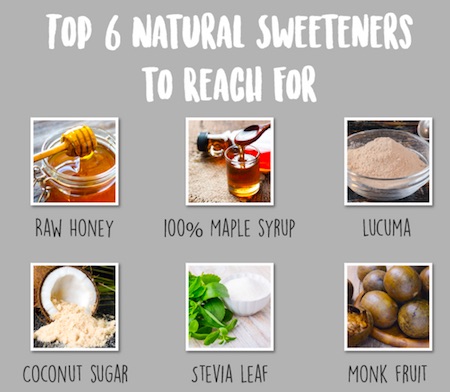
Did you know that eating White refined sugar can be very bad for your health. Fortunately, there are several natural replacements that you can use to sweeten food and drinks, most of which add goodness and value to your diet without the harmfull effects of white sugar.
1. Raw Honey
It comes from the nectar of flowers. This form is pure, unheated, unpasteurized and unprocessed. When bees collect nectar they add their salivary enzyme to it. This increases its nutritional value. Raw honey is 80% natural sugars and the rest is water, minerals and protein enzymes. Just be sure you're not being misled by food labeling tricks when shopping for honey. See our HONEY page
Tips on use: It is an excellent fuel before and post exercise. It can be used almost anywhere white sugar can be and works well in recipes too!
2. 100 % Maple syrup
You probably already know it's the sap from maple trees. But did you know?…The glycemic index of maple syrup is about fifty-four. Compare this to a score of about sixty-five for regular cane sugar. Maple syrup contains up to twenty-four antioxidants. Darker grade maple syrup contains more antioxidants than the lighter ones.
Tip on use: Use as a replacement for white sugar. Helps to improve digestion.
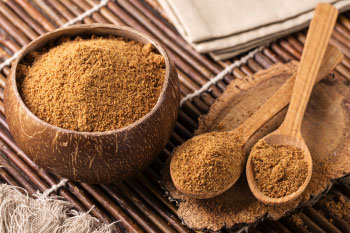
3. Coconut sugar
It's the dried sap from the blossoms of the coconut flower. It's high in fiber and inulin which slows sugar uptake by the body. Inulin also promotes the growth of healthy gut bacteria. It even offers small amounts of zinc, iron, calcium, potassium, and antioxidants. Even though the amount offered is small, it's still more that you'll get from white sugar! See our COCONUT page.
Tips on use: Best for people with diabetes. Helps to improve gut health as it's prebiotic.
4
. Lucuma
It's an avocado look alike fruit. It has a mellow sweet taste and it is low on the sugar scale. The flesh of the fruit is dry, so it’s easy to turn it into a powder to add to smoothies and drinks.
Tips on use: Add to dessert as a natural sweetener. Powder form works well with smoothies. It is gluten-free too!
5. Stevia leaf
Just like the name says, it's the leaf of the herb, stevia. It has a naturally sweet taste. Native cultures dry and grind up the leaf to a powder. The resulting powder is 30 – 40 times sweeter than sugar. Fresh is best. A lot of familiar brand names that sell themselves as Stevia have too many added chemicals so don't get tricked by labels. Look for fresh stevia leaf or better yet, grow your own.
Tips on use: Suitable for those that want to lose weight or diabetics. Choose leaves from organic Stevia plants and the ones that are least processed.
6. Monk fruit
It's a subtropical melon fruit. Monk fruit has carbohydrates like all fruits and can be harder to find so check specialty grocers and health food stores. Once dried, the resulting powder has only a trace amount of sugar. Yet, it's sweet to taste from its chemical compounds called mogrosides. They're antioxidant in nature and occur in high quantities in the dried form. Your body uses mogrosides in a different way when compared to other sugars. Because of this, it doesn't cause a sugar spike, despite its sweetness.
Tips on use: The powder form of Monk fruit is great for use in desserts and drinks.
Always remember that, sugar in its natural form in whole foods is not an issue for most people. The problem starts with the way sugars are processed, such as into the ubiquitous white granules. Foods with added sugars can be dangerous too because, as well as the sugar, they are often loaded with additives, sodium and added fats.
Artificial Sweete
n
ers
in soft drinks