

Diets That Work
As well as the main food components of
- Animal Products
- Fats and Oils
- Fruits
- Grains
- Seeds
our bodies also need a very wide varity of 'trace elements;' to carry out various functions. These include such elements as nickel, copper, manganese and other minerals, each of which have particular roles to play. Iron for example carries oxygen around the body in blood and is the main component responsible for the red colour in heamoglobin.
Trace elements are also essential nutrients that your body needs to work properly, but in much smaller amounts than vitamins and minerals. Trace elements are found in small amounts in a variety of foods such as meat, fish, cereals, milk and dairy foods, vegetables and nuts.
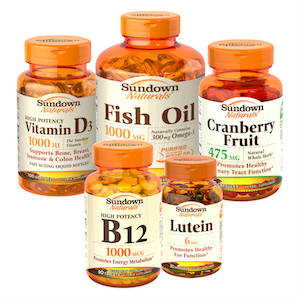
There are many occasions that the food we eat is defficient in certain vitamins and it can be beneficial to add vitamins to the food in the form of pills, powders or other ways in or on our food.
by Sarah Rose
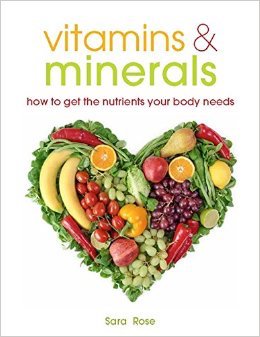
The is a book full of the practival advice about the many and various vitamins and minerals that your body needs, and so you can understand what each of them does. The book explains why you needs each one and when is the optimum time to take them.
The basic facts are all contained within the book's introduction: how each of the vitamins and minerals work and what are the main effects they have on the various parts of the body. The book also explains how the nutritional needs of our bodies can be expected to change throughout our lives, and it also describes the various types of supplements available to supplement our diet.
With fresh and colourful pages, this book makes choosing a healthy lifestyle easy and enjoyable and helps you to assess your specific needs and find out how to tailor your diet and lifestyle to suit these.
The author explains where best to obtain the vitamins that the body needs and and the timing of the effects of consuming them.
Essential Guide to
Vitamins,Minerals
& Herbal Supplements

Fat-soluble vitamins
Fat-soluble vitamins are found mainly in fatty foods and animal products, such as vegetable oils, milk and dairy foods, eggs, liver, oily fish and butter.
While your body needs these vitamins every day to work properly, you don't need to eat foods containing them every day.
This is because your body stores these vitamins in your liver and fatty tissues for future use. These stores can build up so they are there when you need them. However, if you have much more than you need, fat-soluble vitamins can be harmful.
Fat-soluble vitamins are:
- vitamin A
- vitamin D
- vitamin E
- vitamin K
Water-soluble vitamins
Water-soluble vitamins are not stored in the body, so you need to have them more frequently.
If you have more than you need, your body gets rid of the extra vitamins when you urinate. As the body does not store water-soluble vitamins, these vitamins are generally not harmful. However, this doesn't mean that all large amounts are necessarily harmless.
Water-soluble vitamins are found in a wide range of foods, including fruit, vegetables, potatoes, grains, milk and dairy foods. Unlike fat-soluble vitamins, they can be destroyed by heat or being exposed to the air.
Some Water Soluble vitamins can also be lost in the water used for cooking.Cooking foods, especially by boiling, we lose some of these vitamins. The best way to keep the water soluble vitamins is to steam or grill foods, rather than boil them. Alternatively, use the cooking water in soups or in stews rather than pouring it away.
Water-soluble vitamins are
- Vitamin C,
- B vitamins, and
- Folic acid.
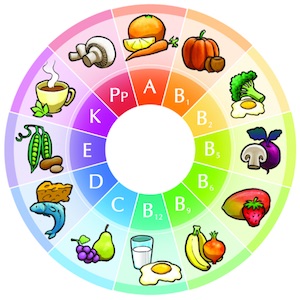
The Vitamin Wheel
types of major vitamins by group
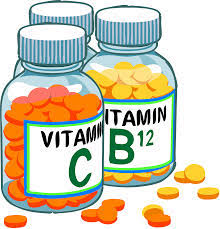

As well as the main food components of
- Animal Products
- Fats and Oils
- Fruits
- Grains
- Seeds
our bodies also need a very wide variety of 'trace elements;' to carry out various functions. These include such elements as nickel, copper, manganese and other minerals, each of which have particular roles to play. Iron for example carries oxygen around the body in blood and is the main component responsible for the red colour in haemoglobin.
Trace elements are also essential nutrients that your body needs to work properly, but in much smaller amounts than vitamins and minerals. Trace elements are found in small amounts in a variety of foods such as meat, fish, cereals, milk and dairy foods, vegetables and nuts.
There are many occasions that the food we eat is deficient in certain vitamins and it can be beneficial to add vitamins to the food in the form of pills, powders or other ways in or on our food.
Fat-soluble vitamins
Fat-soluble vitamins are found mainly in fatty foods and animal products, such as vegetable oils, milk and dairy foods, eggs, liver, oily fish and butter.
While your body needs these vitamins every day to work properly, you don't need to eat foods containing them every day.
This is because your body stores these vitamins in your liver and fatty tissues for future use. These stores can build up so they are there when you need them. However, if you have much more than you need, fat-soluble vitamins can be harmful.
Fat-soluble vitamins are:
- vitamin A
- vitamin D
- vitamin E
- vitamin K
Water-soluble vitamins
Water-soluble vitamins are not stored in the body, so you need to have them more frequently.
If you have more than you need, your body gets rid of the extra vitamins when you urinate. As the body does not store water-soluble vitamins, these vitamins are generally not harmful. However, this doesn't mean that all large amounts are necessarily harmless.
Water-soluble vitamins are found in a wide range of foods, including fruit, vegetables, potatoes, grains, milk and dairy foods. Unlike fat-soluble vitamins, they can be destroyed by heat or being exposed to the air.
Some Water Soluble vitamins can also be lost in the water used for cooking.Cooking foods, especially by boiling, we lose some of these vitamins. The best way to keep the water soluble vitamins is to steam or grill foods, rather than boil them. Alternatively, use the cooking water in soups or in stews rather than pouring it away.
Water-soluble vitamins are
- Vitamin C,
- B vitamins, and
- Folic acid.


Vitamins & Minerals
How to get the nutrients
Turmeric
Turmeric is used by the natural health community to alleviate joint pain and assist in digestion.* The black pepper in this blend is necessary to achieve the full potential of Turmeric Curcumin. When searching for a Turmeric supplement, if it doesn't contain black pepper in the blend, it isn't reaching its full potential.
Anti-Inflammatory properties*
Supports healthy digestion*
Aids in arthritis pain relief*
Natural and safe*
See our TURMERIC page for details
Fat-soluble vitamins
Fat-soluble vitamins are found mainly in fatty foods and animal products, such as vegetable oils, milk and dairy foods, eggs, liver, oily fish and butter.
While your body needs these vitamins every day to work properly, you don't need to eat foods containing them every day.
This is because your body stores these vitamins in your liver and fatty tissues for future use. These stores can build up so they are there when you need them. However, if you have much more than you need, fat-soluble vitamins can be harmful.
Fat-soluble vitamins are:
- vitamin A
- vitamin D
- vitamin E
- vitamin K
Water-soluble vitamins
Water-soluble vitamins are not stored in the body, so you need to have them more frequently.
If you have more than you need, your body gets rid of the extra vitamins when you urinate. As the body does not store water-soluble vitamins, these vitamins are generally not harmful. However, this doesn't mean that all large amounts are necessarily harmless.
Water-soluble vitamins are found in a wide range of foods, including fruit, vegetables, potatoes, grains, milk and dairy foods. Unlike fat-soluble vitamins, they can be destroyed by heat or being exposed to the air.
Some Water Soluble vitamins can also be lost in the water used for cooking.Cooking foods, especially by boiling, we lose some of these vitamins. The best way to keep the water soluble vitamins is to steam or grill foods, rather than boil them. Alternatively, use the cooking water in soups or in stews rather than pouring it away.
Water-soluble vitamins are
- Vitamin C,
- B vitamins, and
- Folic acid.
by Doctor Sarah Brewer
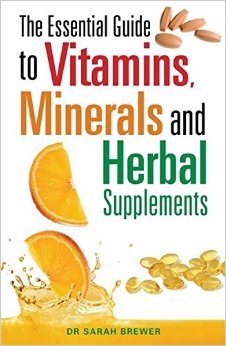
There are a bewildering range of vitamin, mineral and herbal supplements available. Sadly the full details and much relevant information about benefits to health of many of the products has been impossible to give on the packaging (mainly for legal reasons, they say that it could be construed as a health claim)
This new guide is almost jargon-free and has been written by a leading expert, Dr Sarah Brewer. In its pages she spells out everything you need to know about the main supplements, and gives her advice on which are suitable for specific health problems.
The guide includes an A–Z guide to 150 supplements which should help everyone achieve a brighter and healthier life. The guide explains the benefits and any possible known side effects. The Guide also states the research evidence which backs up the claims regarding their efficacy.
Dr Brewer's guide recommends supplements for common problems such as chronic fatigue, Irritable Bowel Syndrome, recurrent candida and arthritis. It comes packed with clear and concise answers, and explains how the use of supplements can improve your daily health.
Fat-soluble vitamins
Fat-soluble vitamins are found mainly in fatty foods and animal products, such as vegetable oils, milk and dairy foods, eggs, liver, oily fish and butter.
While your body needs these vitamins every day to work properly, you don't need to eat foods containing them every day.
This is because your body stores these vitamins in your liver and fatty tissues for future use. These stores can build up so they are there when you need them. However, if you have much more than you need, fat-soluble vitamins can be harmful.
Fat-soluble vitamins are:
- vitamin A
- vitamin D
- vitamin E
- vitamin K
Water-soluble vitamins
Water-soluble vitamins are not stored in the body, so you need to have them more frequently.
If you have more than you need, your body gets rid of the extra vitamins when you urinate. As the body does not store water-soluble vitamins, these vitamins are generally not harmful. However, this doesn't mean that all large amounts are necessarily harmless.
Water-soluble vitamins are found in a wide range of foods, including fruit, vegetables, potatoes, grains, milk and dairy foods. Unlike fat-soluble vitamins, they can be destroyed by heat or being exposed to the air.
Some Water Soluble vitamins can also be lost in the water used for cooking.Cooking foods, especially by boiling, we lose some of these vitamins. The best way to keep the water soluble vitamins is to steam or grill foods, rather than boil them. Alternatively, use the cooking water in soups or in stews rather than pouring it away.
Water-soluble vitamins are
- Vitamin C,
- B vitamins, and
- Folic acid.
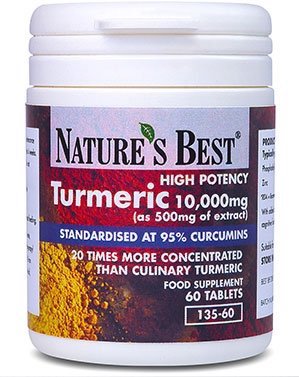
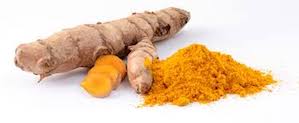
Turmeric is widely thought to be one of the oldest natural foodstuffs.
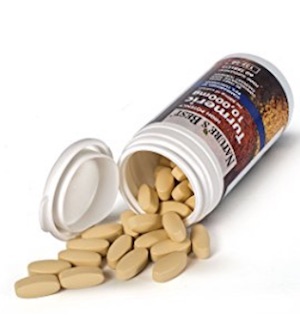
One of the UK's strongest and purest turmeric supplements is available now via Amazon from Nature's Best, a reputable British manufacturer. This is twenty times more concentrated than culinary turmeric. Standardised at 95% curcumins - these are the active compounds in turmeric. High potency extract equivalent to 10 curries!
NOTE - This product meets strictest EU regulations on contaminants. Notice the difference in the quality.

by Sarah Rose
The is a book full of the practival advice about the many and various vitamins and minerals that your body needs, and so you can understand what each of them does. The book explains why you needs each one and when is the optimum time to take them.
The basic facts are all contained within the book's introduction: how each of the vitamins and minerals work and what are the main effects they have on the various parts of the body. The book also explains how the nutritional needs of our bodies can be expected to change throughout our lives, and it also describes the various types of supplements available to supplement our diet.
With fresh and colourful pages, this book makes choosing a healthy lifestyle easy and enjoyable and helps you to assess your specific needs and find out how to tailor your diet and lifestyle to suit these.
The author explains where best to obtain the vitamins that the body needs and and the timing of the effects of consuming them.
As well as the main food components of
- Animal Products
- Fats and Oils
- Fruits
- Grains
- Seeds
our bodies also need a very wide variety of 'trace elements;' to carry out various functions. These include such elements as nickel, copper, manganese and other minerals, each of which have particular roles to play. Iron for example carries oxygen around the body in blood and is the main component responsible for the red colour in haemoglobin.
Trace elements are also essential nutrients that your body needs to work properly, but in much smaller amounts than vitamins and minerals. Trace elements are found in small amounts in a variety of foods such as meat, fish, cereals, milk and dairy foods, vegetables and nuts.
There are many occasions that the food we eat is deficient in certain vitamins and it can be beneficial to add vitamins to the food in the form of pills, powders or other ways in or on our food.
