






What happens during
a muscle cramp?
During a cramp, your muscles suddenly contract (shorten), causing pain in your leg. This is known as a spasm, and you cannot control the affected muscle. The cramp can last from a few seconds to 10 minutes. When the spasm passes, you will be able to control the affected muscle again.
(Avoiding Muscle Cramps, more)
Electrolytes control the shift of fluids in and out of cells. The electrolyte of most concern during exercise is sodium. Found as sodium chloride in table salt. We lose more sodium in sweat than the other electrolytes. Both water and sodium are lost in sweat. Replacement of water without sodium can lead to dangerously low blood sodium levels, called hyponatremia.
Hyponatremia can occur when we sweat and loses lots of sodium. It happens a lot in endurance exercise such as marathon running. Muscle cramps are usually felt when the levels of sodium in the blood drop; they can quickly become a serious medical emergency if the lack of sodium is not treated.
Always have a little salty food or sodium rich sports products
before, during and after exercise
Carbohydrate depletion can also result in sudden muscle cramps as they are the main fuel used during exercise. A limited amount of carbohydrates are stored as glycogen in our muscles which give the muscle the energy that it needs to move the limbs.
If the levels of glycogen become exhausted, muscle cramps are very likely to be experienced. We should always add carbohydrates during any activity that will last longer than an hour. Intense exercise less than an hour can deplete the amount of glycogen in the muscles. Always consume a carbohydrate-rich meal or snack before any intensive exercise.

Symptoms of
Muscle Cramp
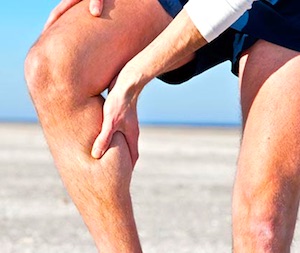
Most muscle cramps develop in the leg muscles, particularly in the calf. Besides the sudden, sharp pain, you might also feel or see a hard lump of muscle tissue beneath your skin.



Causes of
Muscle Cramp
To put it simply, overusing any muscle, dehydration, muscle strain or simply holding a position for a prolonged period can cause a muscle cramp.
Although most muscle cramps are harmless, some may be related to an underlying medical condition, such as and inadequate blood supply. the unforseen narrowing of the arteries that deliver blood to your legs (in medical parlance, this is known as arteriosclerosis ) can produce cramp-like pain in your lower legs and feet while you're exercising. Such muscle cramps usually fade away quite quickly after you stop exercising.
Nerve compression of those nerves in your spine (lumbar stenosis) also can produce a pain in your legs which is very like mucle cramps. The pain usually gets worse the longer you walk. Walking in a slightly flexed position — such as you would use when pushing a shopping cart ahead of you — may improve or delay the onset of your symptoms.
Mineral depletion. Too little potassium, calcium or magnesium in your diet can contribute to leg cramps. Diuretics (medications often prescribed for high blood pressure) can also deplete these minerals.

Avoiding Muscle Cramps
Alleviate dehydration.
You should always drink plenty of liquids every day. The amount of water that is best for you dvaries with what you eat, your sex, your level of activity, the weather, your health, your age and medications you take.
Fluids help the muscles contract and relax and keeping the muscle cells hydrated and less irritable is important to be comfortable. During activity, you should always replenish fluids at regular intervals and continue drinking water or other fluids for a period after you've finished exercising.
Stretch the muscles.
Professional athletes can often be seen stretching before and after using their muscles for an extended period. This is known as "warming up" and "cooling down", and no professional football player or any other breed of athlete would ignore such routines.
If you tend to have leg cramps at night, it may be useful to try some stretching routines before bedtime. (It could also help you sleep as well!).
Light exercise, such as riding a stationary bicycle for a few minutes before bedtime, is also very likeley to help prevent cramps while you're sleeping.

What is Muscle Cramp?
A muscle cramp is a sudden and involuntary contraction of one or more of your muscles. If you've ever been awakened in the night or stopped in your tracks by a sudden bout of mscuel cramp, you will already know how painful muscle cramps can be. While these bouts of pain are usually quite harmless and leave no after effects (usually all pain is gone in a few minutes or perhaps hours) muscle cramps can make it temporarily impossible to use the affected limb, which can be very embarrassing.
Extended periods of exercise or sheer hard work - especially in hot weather - can lead to muscle cramps. Some medications and certain medical conditions also may cause muscle cramps. You usually can treat muscle cramps at home with self-administered treatment, careful balancing of foods, including certain vitamins.
Certain body deficiencies can exacerbate muscle cramps, particularly MAGNESIUM. It is the fourth most abundant mineral in our bodies and plays a role in many functions. This key ingredient affects almost 300 different processes inside our bodies, so having the correct level of magnesium is vital to a healthy life.
Diets That Work
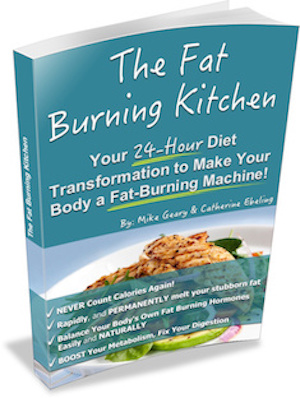
Fat Burning Kitchen
This is for you - a 24-Hour Diet-changing guide which can help turn YOUR body into a lean, mean fat burning machine. Cat has joined forces for Mike Geary to produce a wonderful guide to held you shed those pounds.
Defeats cravings |
Tells the TRUTH about polyunsaturated fats |
Which protein bars really are good for you |
Has a healthy fat-burning burger! |
Why wheat and whole grain are so bad |
and much more.
Now on Special Offer for only £7
Click the book for full details.
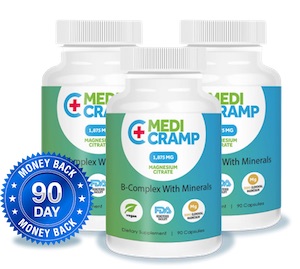
Medicramp can solve
YOUR Muscle Cramps
You want to sleep undisturbed and awake refreshed, ready to breeze through your day.
And you would love to complete your exercise without enduring the physical assault known as muscle cramps.
Whenever or wherever they strike, those painful waves twist deeper into your muscles every time you move. You’re sick and tired of how intrusive this problem is, and you just want them gone. Forever.
We feel your pain. And the good news is, MediCramp is designed to give you the muscle cramp relief you long for.


MediCramp ingredients
MediCramp was specifically created for long term muscle cramp relief.
It contains nutrients backed by clinical trials and is not available anywhere else.
Expertly formulated based on clinical studies showing the efficiency of specific ingredients for combating muscle and leg cramps.
300mg - high quality Elemental Magnesium |
50mg - Vit B1 - Thiamine Mononitrate |
30mg - Vit. B-6 - Pyridoxine HCL |
250mcg - Vit B12 - Cyanocobalamin |
5mg - Vit B2 - Riboflavin |
30mg - Zinc Sulfate |
5mg - Bioperine |
Muscle Cramp
