

Turmeric ~
protects from diseases
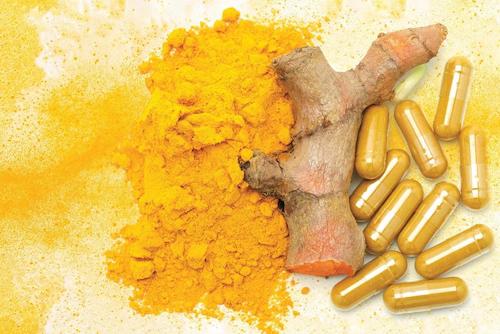
Turmeric is one of the best known spices around the world, mainly for its bright orange colour. Turmeric is also one of the most powerful spices at protecting against disease, it's been claimed.

Side effects of Turmeric
While turmeric is safe for most people when enjoyed in tea or food, if you are allergic to the spice, eating it may cause a rash, hives or abdominal pain.
Most of the side effects are associated with very high concentrations of curcumin found in supplements (pills, capsules and gummies).
Botanics of Turmeric
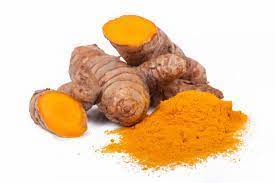
Turmeric is a flowering plant, Curcuma longa, of the ginger family, Zingiberaceae, the rhizomes of which are used in cooking. The plant is a perennial, rhizomatous, herbaceous plant native to the Indian subcontinent and Southeast Asia that requires temperatures between 20 and 30 °C and high annual rainfall to thrive


Coconut & Coconut Oil
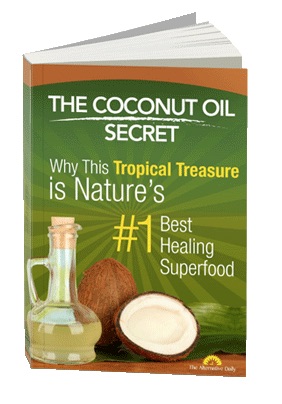
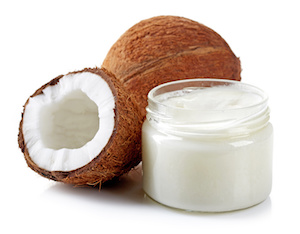
Coconut is an incredible natural product with so many uses, for health, as a food and as a cosmetic. It can whiten teeth and is also used in some countries as a skin foundation. Its use in the west has been mainly in sun lotions for many years but the coconut is now seeing much more widespread use for a variety of products.

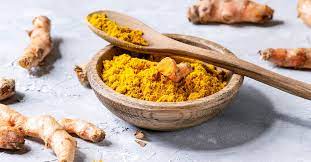
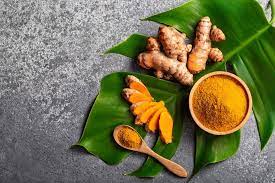

What is Turmeric?
Turmeric is a deep, golden-orange spice known for adding color, flavor and nutrition to foods.
It is a relative of ginger and contains curcumin..
Most turmeric comes from the rhizome (root) of a native Asian plant and has been used in cooking for hundreds of years. It has also been used in ayurvedic and other forms of traditional medicine in China and India.
Turmeric has many effects on our bodyies' biology, not all of which are understood.
Turmeric is rich in phytonutrients that may protect the body by neutralizing free radicals (pollution, sunlight) and shielding the cells from damage.
Diets That Work
TURMERIC
An expert's view
Mary-Eve Brown is an oncology clinical dietitian and nutritionist at the Johns Hopkins Medicine, which provides information on health benefits of turmeric.
Ms Brown says that turmeric supplements are probably not a good idea. As wonderful as turmeric’s nutritional benefits can be, more curcumin is not necessarily better, and too much can be risky.
For instance, turmeric supplements may increase your risk of kidney stones, especially if this runs in your family. Curcumin supplements contain much higher concentrations of the compound than a person would consume by eating food flavored with the spice or by drinking turmeric tea.
“One challenge of turmeric is that curcumin and other active ingredients are not bioavailable, meaning they are not easily absorbed by the body. Also, the digestive process breaks these beneficial compounds down and eliminates them quickly,” Ms Brown says.
With that in mind, incorporating the spice regularly into your meals can safely boost your intake. Combining the spice with black pepper may help increase your body’s ability to absorb turmeric’s beneficial compounds. A substance in black pepper called piperine, when combined with curcumin, has been shown to increase bioavailability by 2000%.
“It’s better to get curcumin and most other nutrients in whole food form rather than to take turmeric pills, tinctures, capsules or gummies,” she says.


Side Effects
of Turmeric
While turmeric is safe for most people when enjoyed in tea or food, if you are allergic to the spice, eating it may cause a rash, hives or abdominal pain.
Most of the side effects are associated with very high concentrations of curcumin found in supplements (pills, capsules and gummies).
Turmeric
Health remedy
TURMERIC has been hailed as a natural health remedy with numerous benefits, including protecting against blood clots and diabetes. There are many amazing ways turmeric and curcumin could improve your health, and why it's one of the top nutrients in the world.
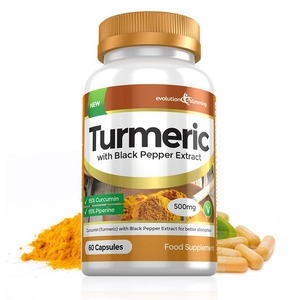
TURMERIC
with Black Pepper extract
Turmeric capsules with black pepper extract can really aid fat burning, preventing further weight gain & has been proven to reduce inflammation.
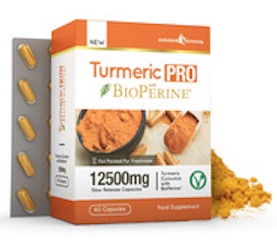
A truly natural weight management supplement! Turmeric Pro is one of the strongest concentrations of Turmeric & Curcumin, available in 12,500mg capsules with patented BioPerine® black pepper extract for rapid absorption - plus it's made in the UK.
Click Bottle for details
The Wonder Spice
Popular in Asian cooking, this wonder spice has been used for many years as a weight management supplement.
Turmeric Pro daily intake contains 12,500mg of 95% Curcuminoids - one of the strongest, most potent formulas on the market.
Studies show that curcumin, in turmeric, can prevent fat accumulation in the adipose tissues and also assist fat burning, as well as aiding digestive discomfort.

TurmericPro
the details
Foil packed for freshness
Each capsule of Turmeric Pro is individually sealed. This is important to encrease the freshness and effectiveness of the formula, to avoid oxidation and to ensure that you're taking the very best turmeric capsule each and every time.
Ingredients
Turmeric 95% (providing 12,500mg of Curcumin), Bulking Agent (Microcrystalline Cellulose), Bromelain 1200 GDU/g (Pineapple) (Ananas comosus) 1200GDU/G (providing 240GDU), Black Pepper Extract (95% Piperine), Anti-Caking Agent (Magnesium Stearate, Silicon Dioxide). Vegetarian Capsule Shell (HPMC).
Directions for Use
As a food supplement, take two (2) capsules daily with meals. This product is a food supplement. It is not intended to diagnose, treat, cure or prevent any disease. Suitable for vegetarians & vegans.
What is CURCUMIN?
Curcumin (diferuloylmethane) is an orange-yellow component of turmeric (Curcuma longa), a spice often found in curry powder. Traditionally known for its an antiinflammatory effects, curcumin has been shown in the last two decades to be a potent immunomodulatory agent that can modulate the activation of T cells, B cells, macrophages, neutrophils, natural killer cells, and dendritic cells.
Curcumin can also downregulate the expression of various proinflammatory cytokines including TNF, IL-1, IL-2, IL-6, IL-8, IL-12, and chemokines, most likely through inactivation of the transcription factor NF-kappaB. Interestingly, however, curcumin at low doses can also enhance antibody responses. This suggests that curcumin's reported beneficial effects in arthritis, allergy, asthma, atherosclerosis, heart disease, Alzheimer's disease, diabetes, and cancer might be due in part to its ability to modulate the immune system.
Together, these findings warrant further consideration of curcumin as a therapy for immune disorders.
National Library of Medicine
Bethesda MD 20894. USA
Nutritional profile of turmeric
One tablespoon of ground turmeric powder contains approximately:
• 29 kcal/123 KJ |
• 9g protein |
• 4g carbohydrates |
• 1g fibre |
• 3g fat |
• 196mg potassium |
• 7mg iron |
Turmeric
the medical benefits
The Turmeric plant and its components have been the subject of many scientific studies.
“Some research results show that people who have osteoarthritis reported less joint pain when eating turmeric in recipes,” Brown says. “Turmeric’s effect on mood disorders, depression and dementia have also been explored, but studies are small, so more research will reveal if there is a benefit.”
In addition to these conditions, research studies have shown some possible benefits of turmeric for:
Inflammation |
Kidney health |
Arthritis |
Degenerative eye conditions |
Metabolic syndrome |
Hyperlipidemia (cholesterol in the blood) |
Muscle soreness after exercise |
Turmeric also has an effect on several brain functions, in particular anxiety which it is widely believed to relieve.